Guides
How to write a book proposal for an essay collection
What a US publisher asks for in a proposal for an essay collection: overview, annotated contents, sample essays, comparable books and a plain account of readership.

Longer pieces, one at a time
Guides
What a US publisher asks for in a proposal for an essay collection: overview, annotated contents, sample essays, comparable books and a plain account of readership.
Guides
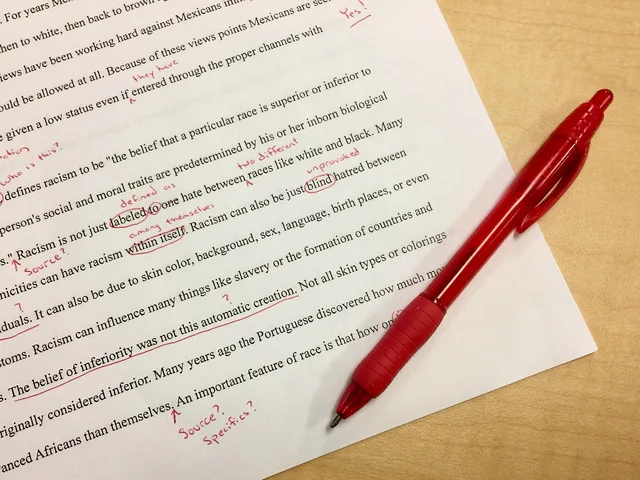
A revision guide for essays: test the promise, rebuild structure, repair paragraphs, sharpen sentences, read for sound, check facts, proofread.
Guides
A place essay explains how a location works and what it means, using boundary, evidence, sensory detail, and a narrator who states their own limits.
Guides
Profile essay guide to choosing a subject, negotiating access, observing work, interviewing other people, verifying scenes, and shaping a fair portrait.
Rules
US copyright registration and fair use for essayists: understand ownership, registration, the four fair use factors, permissions, and takedown notices.
Guides
Library of Congress research for essay evidence means using the catalog, Chronicling America, datasets and rights checks to build a citable archive trail.
Features
A checked map of New York City routes for essayists: what magazines say about nonfiction, which grants and city regrants are open, and which presses take proposals.
Guides
What a US publisher asks for in a proposal for an essay collection: overview, annotated contents, sample essays, comparable books and a plain account of readership.
Reviews
The four editing stages change different things at different times; Editorial Freelancers Association 2026 survey rates show what each costs per word and per hour for nonfiction.
Guides
Revise an essay in six passes (purpose, structure, evidence, paragraphs, sentences, proof), with two invented worked examples and the writing-center methods behind each pass.
Guides
A revision guide for essays: test the promise, rebuild structure, repair paragraphs, sharpen sentences, read for sound, check facts, proofread.