
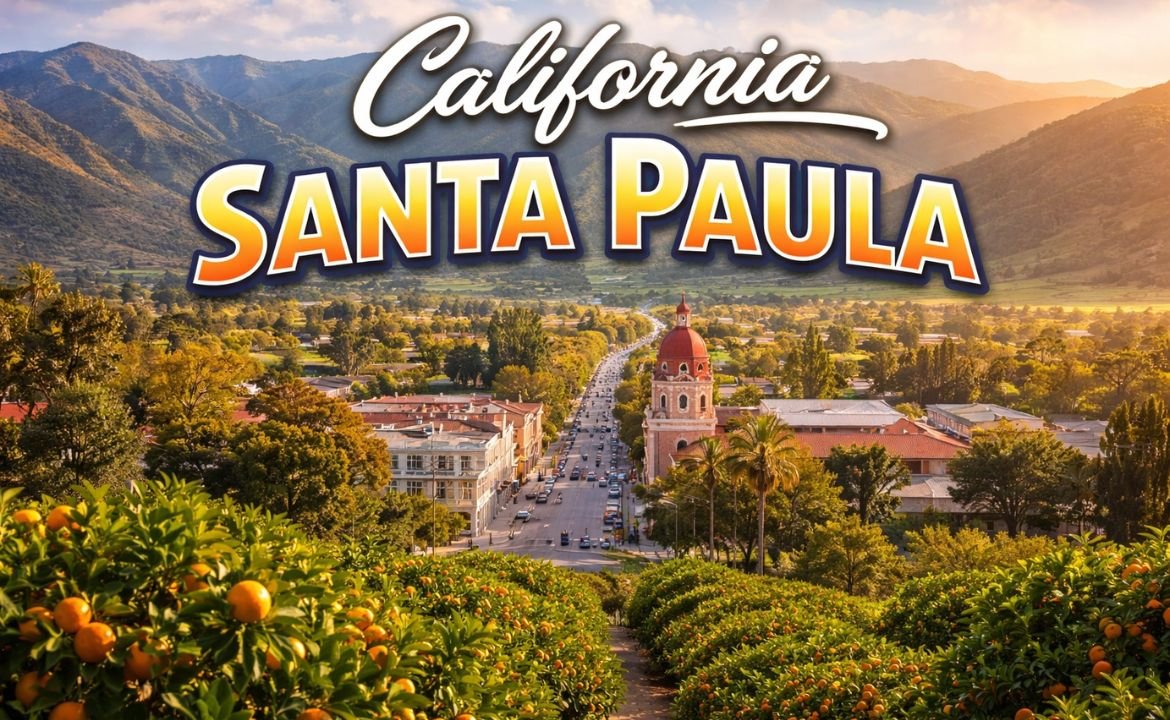
California Santa Paula is a small yet historically rich city located in Ventura County, Southern California. Nestled between fertile farmland and rolling hills, this community blends agricultural heritage with modern suburban living.Known for its citrus roots, cultural landmarks, and steady development, California Santa Paula offers a balanced lifestyle that appeals to residents, families, and visitors seeking authenticity away from crowded urban centers.
Geographic Setting and Climate
A Strategic Location in Ventura County
California Santa Paula lies east of Ventura and west of Fillmore, surrounded by scenic mountains and productive farmland. Its location along key transportation routes has supported trade, commuting, and regional connectivity for decades.
Mediterranean Weather Patterns
The city experiences a mild Mediterranean climate. Summers are warm and dry, while winters remain cool with limited rainfall. This climate supports year-round outdoor activity and strong agricultural production, particularly citrus farming.
Historical Background
Early Indigenous and Spanish Influence
Before modern settlement, the area was inhabited by Chumash Native Americans. Spanish missionaries later established agricultural systems that shaped land use and irrigation methods still influential today.
Growth Through Agriculture
Santa Paula became widely recognized as the “Citrus Capital of the World” during the late 19th and early 20th centuries. Orange groves fueled economic growth, attracting workers and entrepreneurs. Historic buildings from this era still stand as reminders of the city’s agricultural success.
Community and Demographics
A Close-Knit Population
Santa Paula maintains a strong sense of community. Families often have multigenerational ties to the area. Cultural traditions and local events strengthen social bonds.
Cultural Diversity
The population reflects a diverse blend of backgrounds, with strong Hispanic and Latino influences shaping food, festivals, and daily life. This diversity contributes to a welcoming and vibrant community identity.
Economy and Employment
Agriculture as a Foundation
Agriculture remains a core economic driver. Citrus, avocados, and row crops continue to support local employment. Farming also influences related industries such as packaging, logistics, and equipment services.
Expanding Economic Sectors
Beyond farming, Santa Paula has seen growth in manufacturing, education, healthcare, and retail. New business parks and commercial developments aim to provide more local job opportunities and reduce commuter dependence.
Education and Learning Opportunities
Public and Private Schools
The city is served by local school districts offering elementary, middle, and high school education. Schools focus on community involvement and student support programs.
Access to Higher Education
Nearby colleges and universities in Ventura and neighboring counties provide residents with access to higher learning. Vocational and technical training programs also support workforce development.
Lifestyle and Recreation
Outdoor Activities
Residents enjoy hiking, biking, and nature walks thanks to nearby trails and open spaces. The surrounding hills offer scenic views and recreational opportunities for all ages.
Arts and Cultural Events
Museums, heritage centers, and local theaters celebrate the city’s past and present. Annual festivals highlight music, food, and history, reinforcing community pride and tourism appeal.
Housing and Urban Development
Residential Neighborhoods
Housing options range from historic homes to modern developments. Neighborhoods are generally quiet, family-friendly, and well-connected to schools and parks.
Sustainable Growth Plans
City planners emphasize responsible expansion. New housing projects focus on sustainability, infrastructure improvement, and preserving agricultural land where possible.
Transportation and Accessibility
Road and Rail Connectivity
Santa Paula is accessible via major highways linking it to Ventura, Los Angeles, and other Southern California cities. Rail services support freight transport and regional commerce.
Public Transportation Options
Bus services connect residents to nearby urban centers. Ongoing improvements aim to enhance mobility and reduce traffic congestion.
Tourism and Local Attractions
Historic Landmarks
Museums, preserved buildings, and heritage districts attract visitors interested in California history. These sites showcase architecture and stories from the city’s early days.
Local Dining and Shopping
Family-owned restaurants and local shops contribute to a relaxed, small-town atmosphere. Farmers’ markets and specialty stores highlight fresh produce and regional flavors.
Future Outlook
Economic and Social Development
Santa Paula continues to invest in infrastructure, education, and business development. These efforts support long-term stability and quality of life.
Preserving Identity While Growing
Balancing progress with heritage remains a priority. Community leaders work to ensure growth respects historical roots while meeting modern needs.
Conclusion
California Santa Paula stands out as a city where history, agriculture, and community values intersect. Its strategic location, diverse culture, and steady development make it an appealing place to live and explore. With thoughtful planning and strong local identity, the city continues to evolve while honoring the traditions that shaped it.
